The Coastline of Haväng
Artist: Albert Krüger (1885-1965)
Medium: Oil on Canvas
Dimensions: 20” x 25”
This stunning oil painting on canvas shows the coastline of Haväng, Sweden. The calm, expansive body of water in cool shades of blue and gray dominates the right two-thirds of the composition in contrast to the sandy shoreline and cluster of slender, dark green trees. The overcast sky and soft, diffused clouds in muted tones play with the color palette of the sea, shoreline and trees. The overall mood of the painting is serene, contemplative, with a restrained, almost tonal color palette and loose, atmospheric brushwork. The style of painting is Impressionism/late Impressionism with tonalist tendencies, typical of painters working on the Baltic coast (Rügen, Usedom, or the Schleswig-Holstein region) around 1910–1930. The handling of light and the subdued palette are characteristic of artists influenced by “Stimmungsimpressionismus” (mood Impressionism).
About the Artist: Engraver and woodcut artist Albert Krüger produced brilliantly rendered copies of the old masters and his contemporaries’ work alike. Working all his professional life in Berlin, Krüger’s talent was indispensable to the publishers and art associations of Germany.
Born in Poland, Krüger moved to Berlin to begin his artistic studies at the Academy of Arts. Here he was taught by numerous artists such as Karl Gussow (1843-1907) and Paul Thumann (1834-1908).
Soon after, Krüger undertook various travels across Europe, travelling to cities such as Amsterdam, Paris, and Munich. In his early years, Krüger worked as a painter. However, upon his return to Berlin, he soon settled working as an etcher and woodcut printer. Here he began to receive numerous commissions asking him to reproduce the works of the old masters, such as Albrecht Dürer (1471-1528), Leonardo da Vinci (1452-1519), and Hans Holbein the Younger (c.1497-1543), as well as contemporary artists such as Max Liebermann (1847-1935).
He conjures in discerning lines the enigmatic smile of the Mona Lisa, the dignified profiles of Holbein’s sitters. He is able to imitate the depths of colour and shading in the paintings of Da Vinci, capturing rich russet, deep azure. His prints of contemporary work, too, are exquisite examples of the highly detailed, excruciatingly careful efforts etchers would have to undertake.
As a result of his impressive abilities, Krüger was much in demand. His work was often commissioned by publishing houses such as that run by Bruno Cassirer. The German Art Association in Berlin also often required his skills in publications handed out to their members.
Krüger also saw success in exhibitions. He exhibited well in Berlin and received both a commendation and a silver medal at the eminent Paris Salon. He was also awarded a medal for his work in Munich in 1892.
Albert Krüger’s work was essential to the publishing houses and art associations who relied on him to reproduce works of art for print. That he received so many commissions and recognition for exhibiting his works is a testament to his skill.
This piece is in very good condition, consistent with its vintage age, with no obvious signs of wear.
All artwork is sold as found, and we always carefully photograph and highlight any notable signs of age.
The Coastline of Haväng
Artist: Albert Krüger (1885-1965)
Medium: Oil on Canvas
Dimensions: 20” x 25”
This stunning oil painting on canvas shows the coastline of Haväng, Sweden. The calm, expansive body of water in cool shades of blue and gray dominates the right two-thirds of the composition in contrast to the sandy shoreline and cluster of slender, dark green trees. The overcast sky and soft, diffused clouds in muted tones play with the color palette of the sea, shoreline and trees. The overall mood of the painting is serene, contemplative, with a restrained, almost tonal color palette and loose, atmospheric brushwork. The style of painting is Impressionism/late Impressionism with tonalist tendencies, typical of painters working on the Baltic coast (Rügen, Usedom, or the Schleswig-Holstein region) around 1910–1930. The handling of light and the subdued palette are characteristic of artists influenced by “Stimmungsimpressionismus” (mood Impressionism).
About the Artist: Engraver and woodcut artist Albert Krüger produced brilliantly rendered copies of the old masters and his contemporaries’ work alike. Working all his professional life in Berlin, Krüger’s talent was indispensable to the publishers and art associations of Germany.
Born in Poland, Krüger moved to Berlin to begin his artistic studies at the Academy of Arts. Here he was taught by numerous artists such as Karl Gussow (1843-1907) and Paul Thumann (1834-1908).
Soon after, Krüger undertook various travels across Europe, travelling to cities such as Amsterdam, Paris, and Munich. In his early years, Krüger worked as a painter. However, upon his return to Berlin, he soon settled working as an etcher and woodcut printer. Here he began to receive numerous commissions asking him to reproduce the works of the old masters, such as Albrecht Dürer (1471-1528), Leonardo da Vinci (1452-1519), and Hans Holbein the Younger (c.1497-1543), as well as contemporary artists such as Max Liebermann (1847-1935).
He conjures in discerning lines the enigmatic smile of the Mona Lisa, the dignified profiles of Holbein’s sitters. He is able to imitate the depths of colour and shading in the paintings of Da Vinci, capturing rich russet, deep azure. His prints of contemporary work, too, are exquisite examples of the highly detailed, excruciatingly careful efforts etchers would have to undertake.
As a result of his impressive abilities, Krüger was much in demand. His work was often commissioned by publishing houses such as that run by Bruno Cassirer. The German Art Association in Berlin also often required his skills in publications handed out to their members.
Krüger also saw success in exhibitions. He exhibited well in Berlin and received both a commendation and a silver medal at the eminent Paris Salon. He was also awarded a medal for his work in Munich in 1892.
Albert Krüger’s work was essential to the publishing houses and art associations who relied on him to reproduce works of art for print. That he received so many commissions and recognition for exhibiting his works is a testament to his skill.
This piece is in very good condition, consistent with its vintage age, with no obvious signs of wear.
All artwork is sold as found, and we always carefully photograph and highlight any notable signs of age.


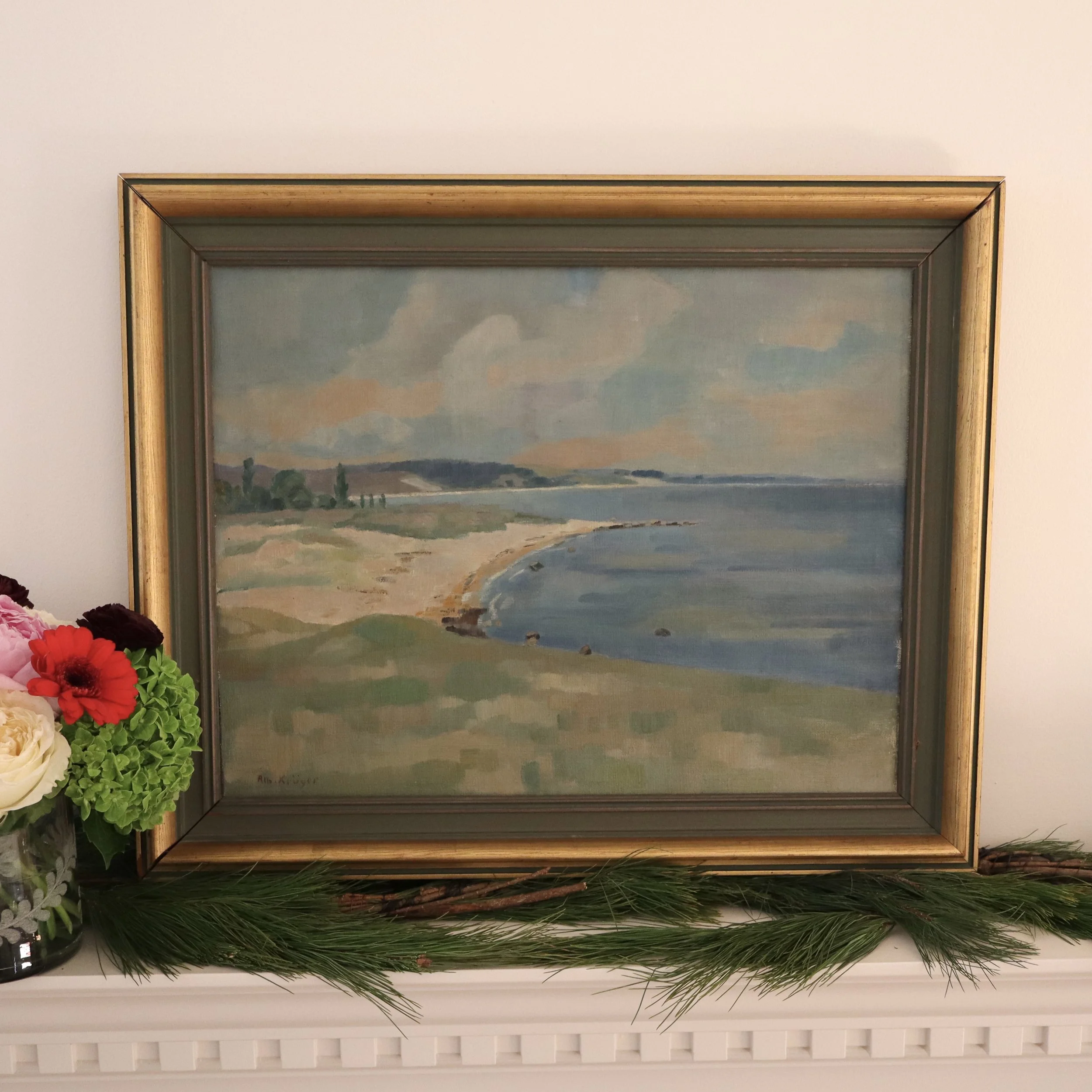 Image 1 of 7
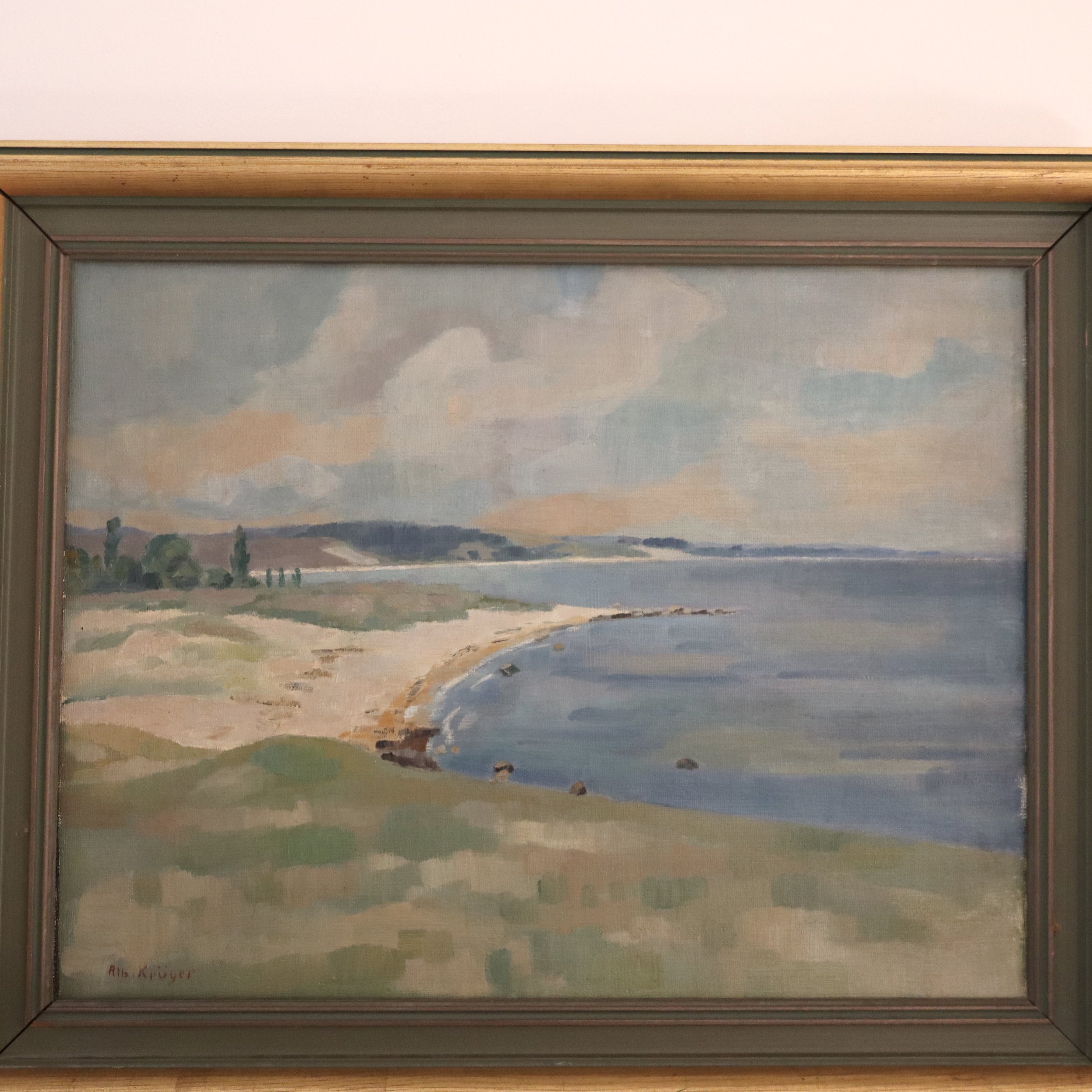 Image 2 of 7
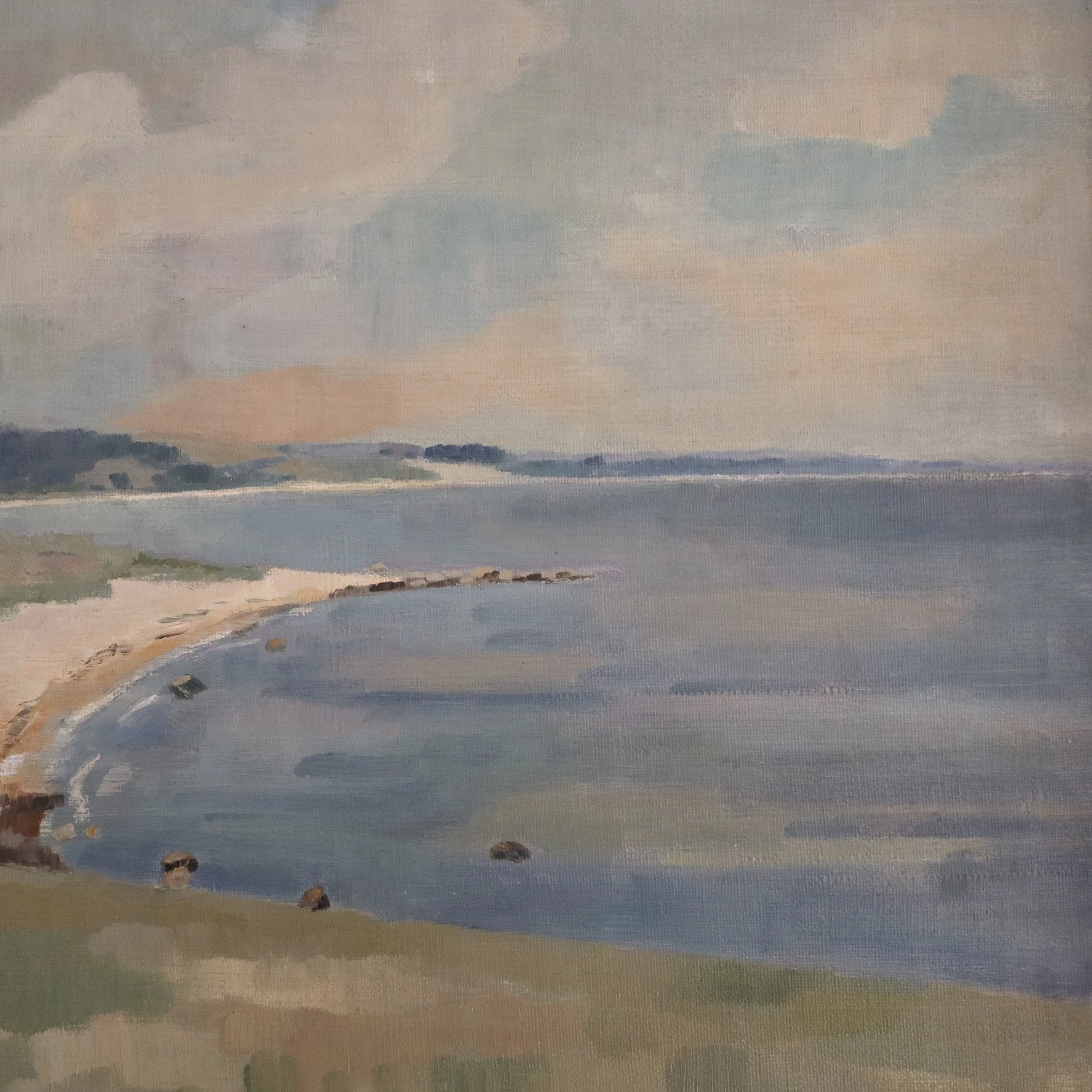 Image 3 of 7
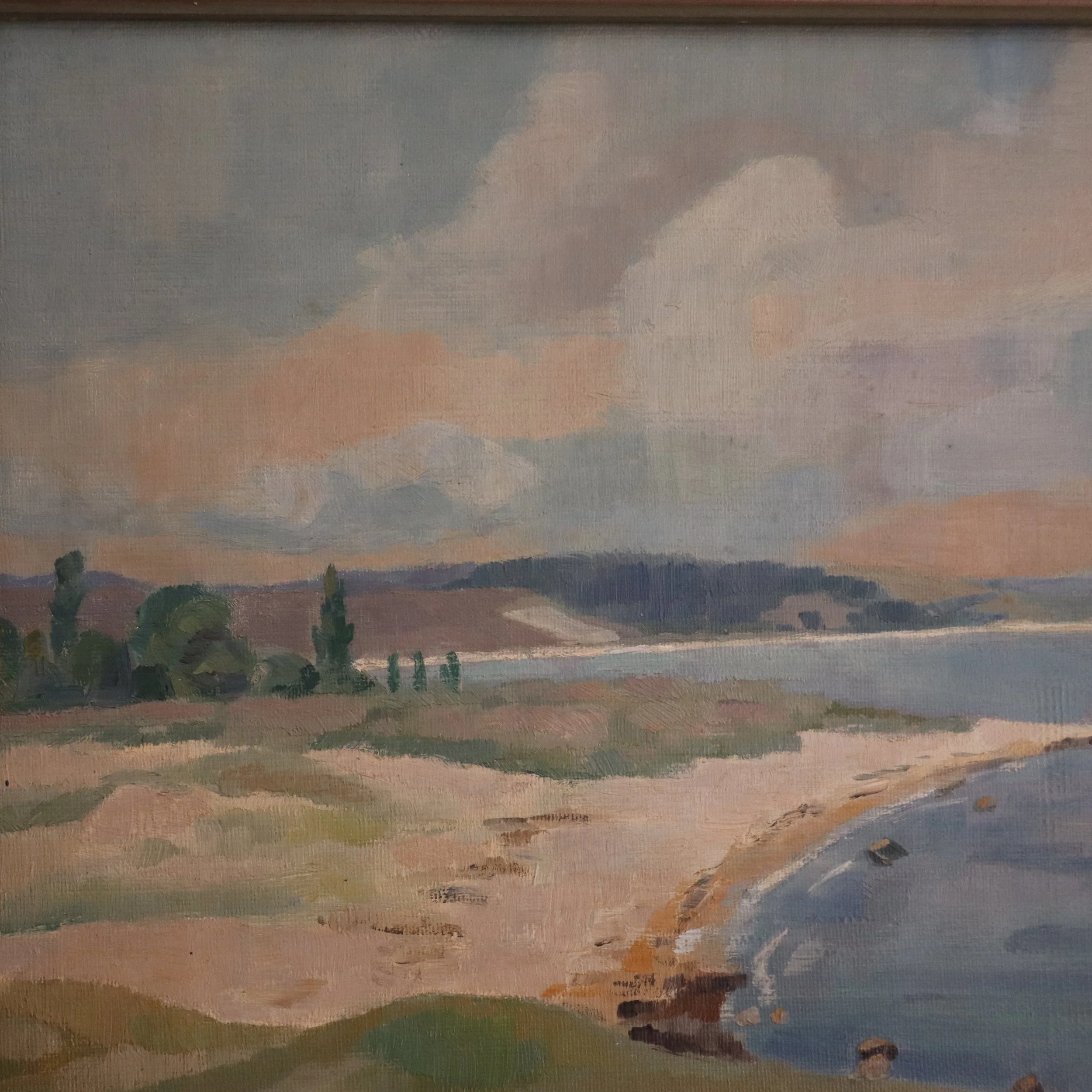 Image 4 of 7
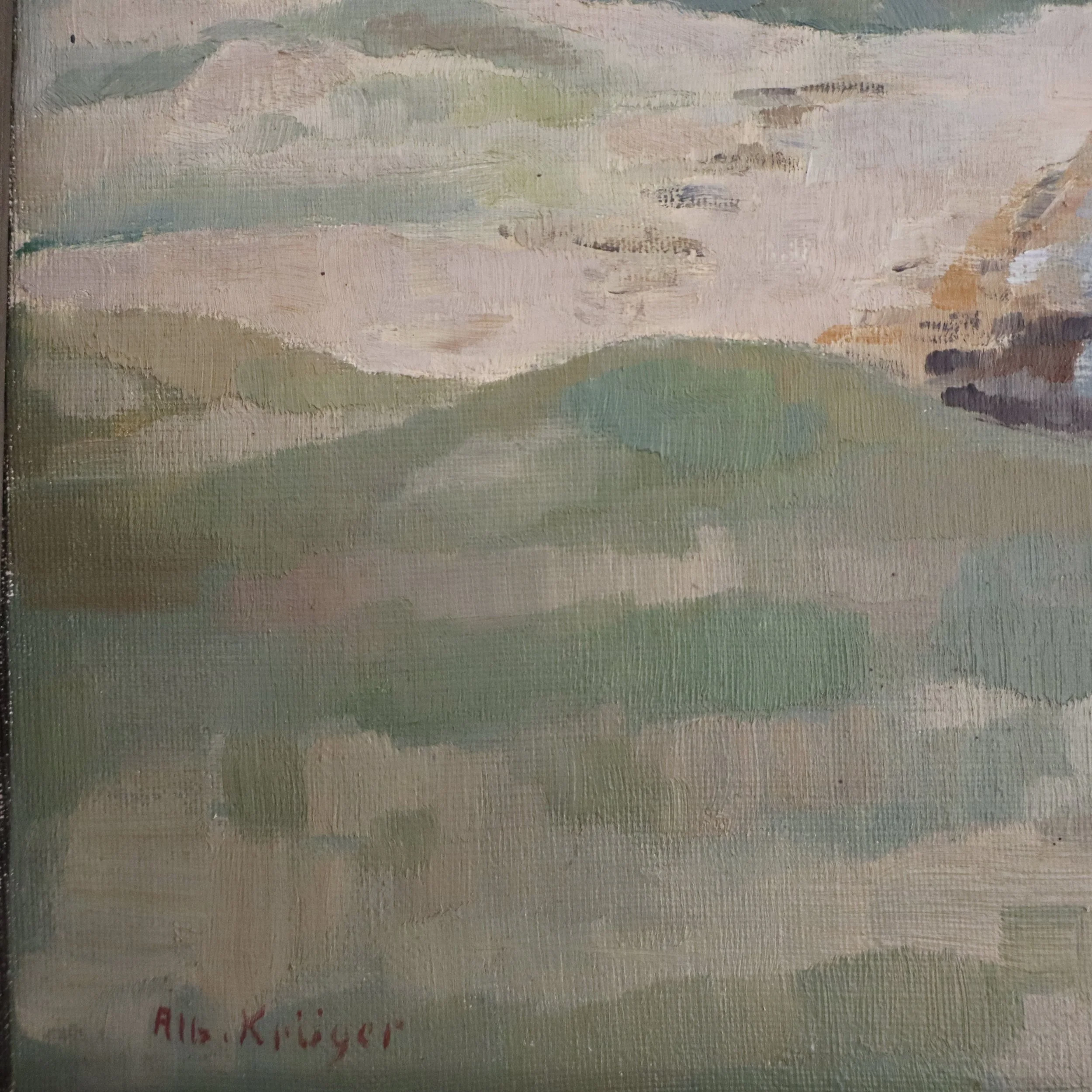 Image 5 of 7
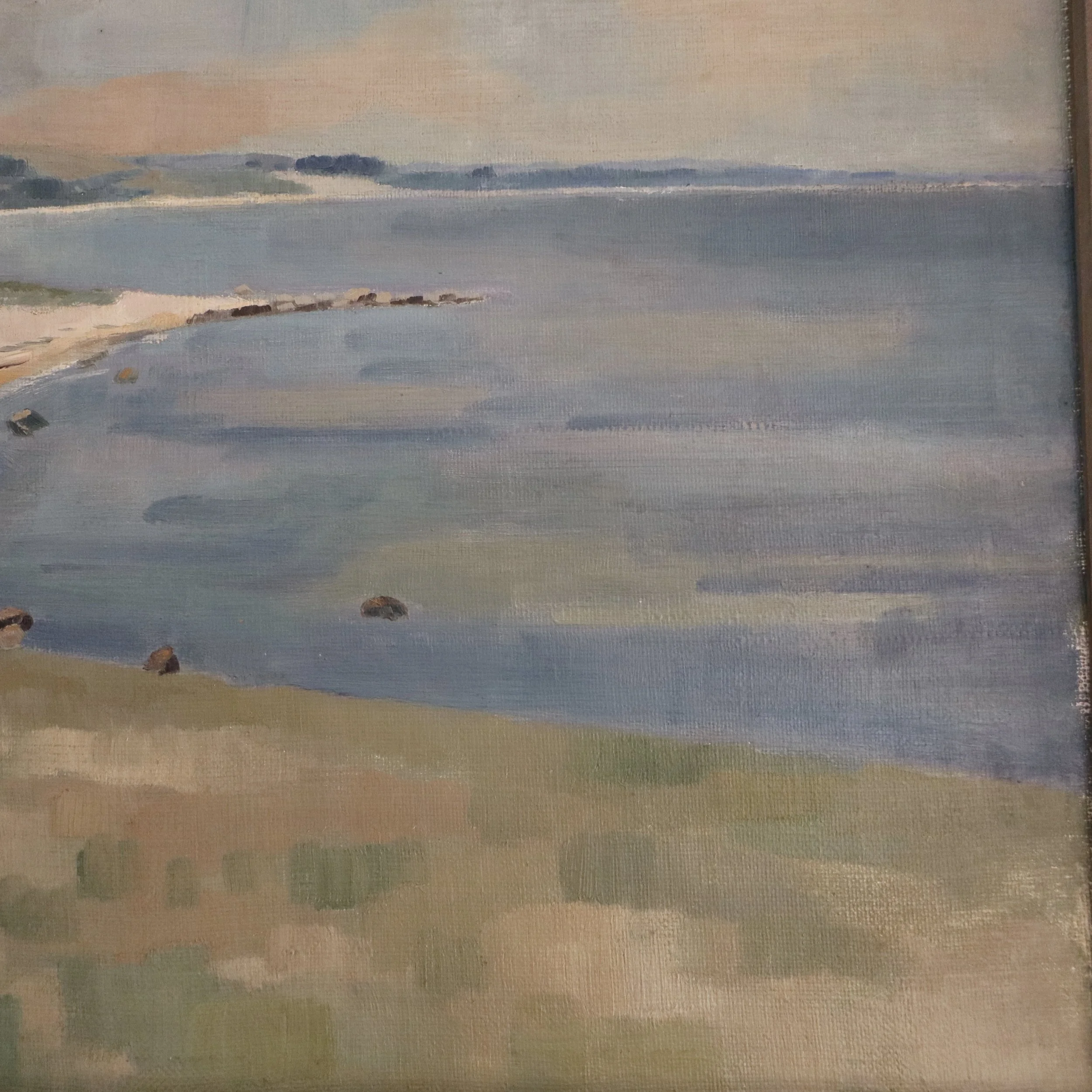 Image 6 of 7
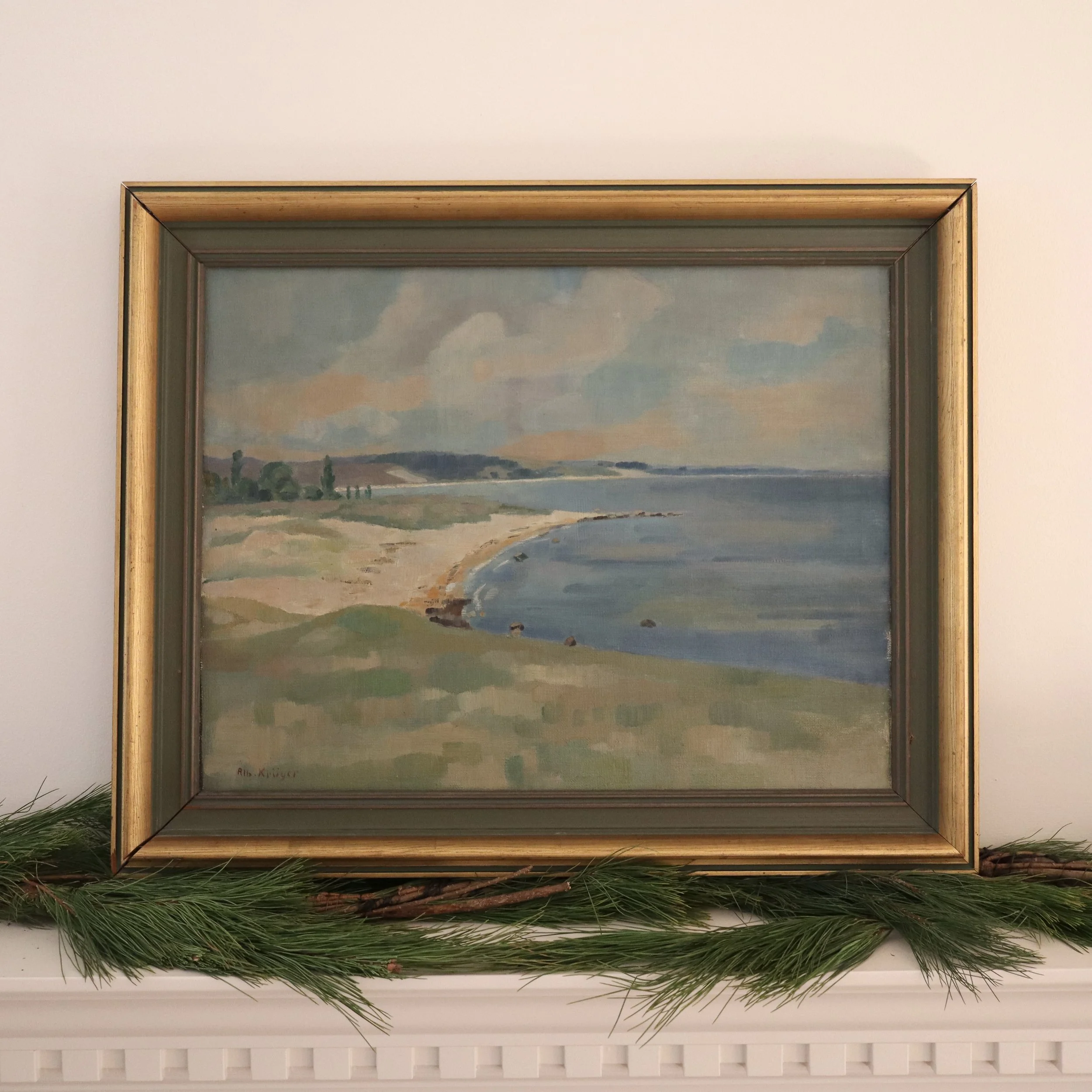 Image 7 of 7